

You clean a spot, it disappears, and a day later it is back. It can feel like the stain has a mind of its own. Carpet wicking or leftover cleaning residue may be the cause. Rug Pro helps Clearwater homeowners identify why spots return and choose an appropriate cleaning approach. Understanding the difference can help you prevent recurring stains and know when to call a professional.
Key Takeaways
- Carpet wicking happens when moisture carries dissolved soil back to the surface as the carpet dries.
- Leftover cleaning residue can attract dirt and make a cleaned area look soiled again.
- Recurring spots may need professional assessment, especially when spills have reached the backing or padding.
- A professional cleaner should explain the risk of returning stains and realistic treatment results.
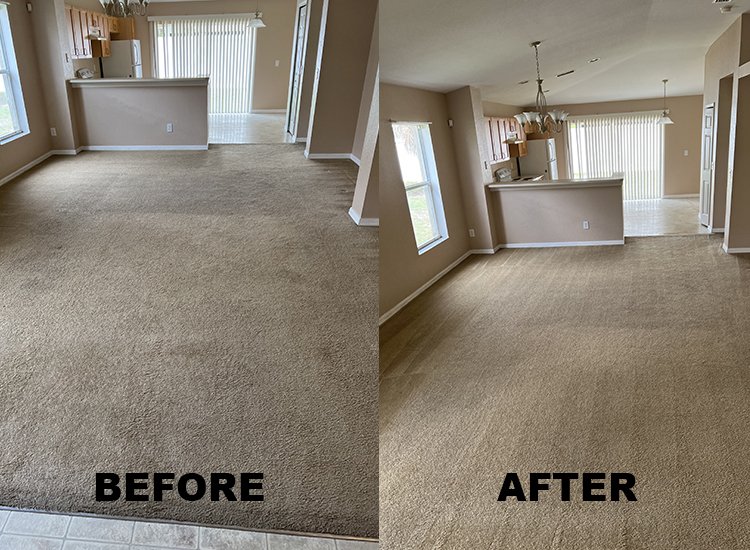
What Is Carpet Wicking?
Carpet wicking happens when a stain rises back to the surface as the carpet dries. Here is how it works:
- A spill soaks through the carpet fibers into the backing and sometimes the pad.
- Cleaning removes the part of the stain near the surface.
- Moisture from cleaning reaches the deeper residue.
- As the carpet dries, moisture moves up the fibers and carries the residue with it.
- The residue is left at the tips of the fibers, and the spot reappears.
Large spills, such as a full glass of juice, coffee or pet urine, are the most likely to wick because they soak deep.
Residue: The Other Reason Spots Return
Sometimes a spot comes back because of what was used to clean it. Many store-bought spot cleaners and soaps leave a sticky residue behind. That residue attracts dirt, so the area turns dark again over time, often looking dirtier than before.
Using too much cleaner, or not rinsing it out, makes this problem worse.
Signs It Is Wicking
- The spot looked clean when wet but returned after drying
- It came back in the same shape as the original spill
- It is brown or yellow, like the original stain
Signs It Is Residue
- The area gets darker over weeks, not days
- It feels slightly sticky or stiff
- It started after using a store-bought spot cleaner
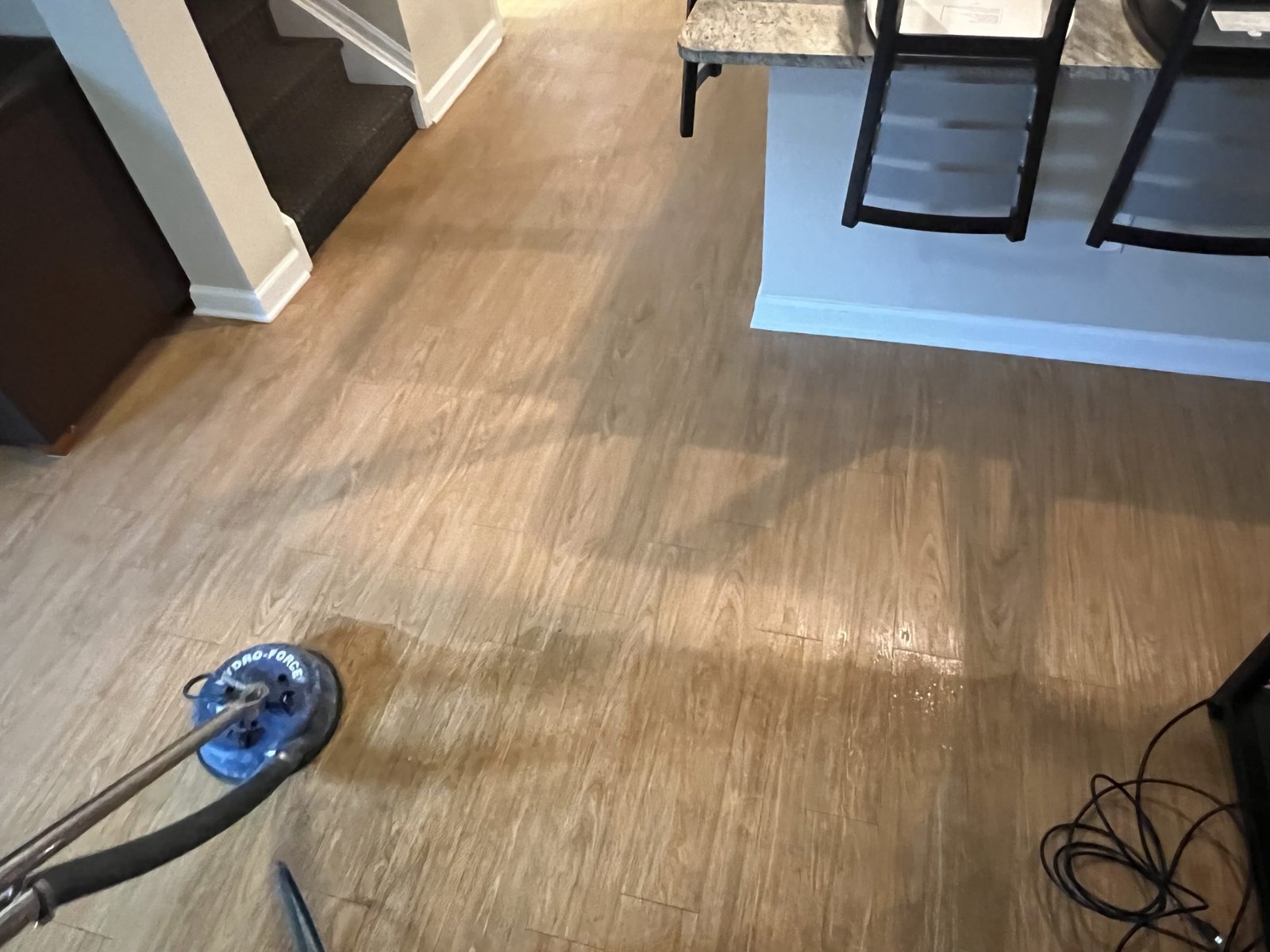
How Professionals Reduce Wicking
Professional cleaners use several steps to limit wicking:
- Proper extraction: Strong suction removes as much water and residue as possible.
- Targeted treatment: Large spills may need deeper treatment to reach the backing.
- Rinsing: Removing cleaning agents helps prevent sticky residue.
- Faster drying: Air movement helps carpet dry quickly, which gives residue less time to rise.
| Problem | Cause | Fix |
|---|---|---|
| Spot returns in a day | Carpet wicking | Deeper extraction and drying |
| Area darkens over weeks | Soap residue | Thorough rinse |
| Brown ring | Wicking or overwetting | Controlled moisture |
What You Can Do at Home
- Blot spills right away. Do not rub.
- Use plain water or a small amount of cleaner, then rinse with water.
- Place a stack of white towels on the spot with something heavy on top to pull moisture up and out.
- Speed drying with a fan.
- Avoid overwetting the carpet.
When to Call a Professional
If a spot keeps coming back after two attempts, it is time to call a professional. Repeated home treatments can push residue deeper or spread it. A technician can assess the stain and choose a method that reaches deeper layers.
Can Wicking Happen After Professional Cleaning?
It can, especially with large old spills that soaked deep into the pad. A good cleaning company will explain this risk ahead of time. If a spot returns, many companies will come back to treat it again. Ask about this when you book.
Why Drying Time Matters
Carpet that dries slowly gives moisture more time to travel up the fibers and carry residue with it, which is why fast drying is one of the best ways to reduce wicking after any type of cleaning. Opening windows on a dry day, running ceiling fans and using air conditioning all help pull moisture out of the carpet more quickly, especially in humid Florida homes.
Spills That Need Special Attention
Some spills are much more likely to wick than others, including coffee, tea, soda, red wine, pet urine and anything with sugar or dye, because these liquids soak deep and leave behind residue that does not rinse away easily with a quick blot. When one of these spills reaches the pad, a professional may be able to reach it with deeper treatment.
Florida Humidity and Drying
In Florida, high humidity can slow the drying process, which gives moisture more time to carry deep residue to the surface of the fibers and can make carpet wicking more likely after both home and professional cleaning. Keeping the air conditioning running, closing windows on muggy days and using fans to move air across the carpet are simple ways to help it dry faster and reduce the chance of spots coming back.
How Pads Affect Wicking
The pad under your carpet acts like a sponge, so when a large spill soaks through, the pad can hold onto liquid and residue long after the surface looks clean, and that hidden layer is often the source of spots that keep coming back. In severe cases, such as repeated pet accidents in the same area, the pad may need to be treated or replaced to fully solve the problem.
Mistakes That Make Wicking Worse
- Pouring water or cleaner directly onto the spot
- Scrubbing hard, which spreads the stain
- Using too much soap or detergent
- Letting the carpet stay wet for a long time
- Walking on damp carpet with shoes
Stop Spots From Coming Back
Carpet wicking and residue are common reasons stains return, and both can often be fixed. Learn more about our carpet cleaning in St. Petersburg. Need help with your floors? Call Rug Pro LLC at (656) 600-7767 or request service online.
Frequently Asked Questions
Q: What is carpet wicking?
A: It is when residue deep in the carpet rises to the surface as the carpet dries.
Q: Why does my carpet look dirtier after spot cleaning?
A: Soap residue attracts dirt. Rinsing helps prevent it.
Q: Can wicking be prevented?
A: Blotting, limiting moisture and fast drying help reduce it.
Q: Which spills are most likely to wick?
A: Large spills of coffee, juice, soda or pet urine.
Q: Should I call a pro if a stain keeps returning?
A: Yes. Repeated home treatments can push residue deeper.