
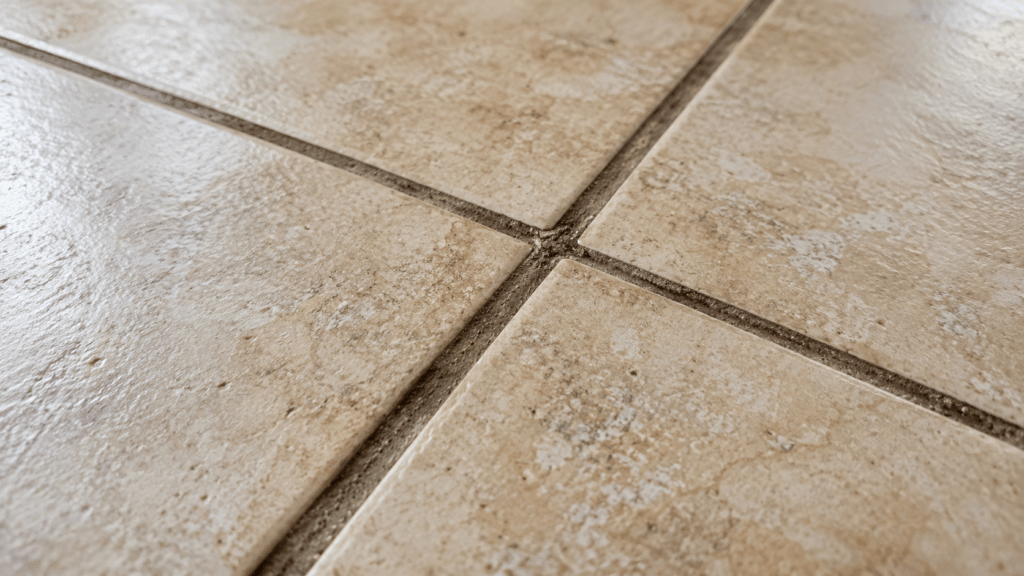
New tile floors have crisp, even grout lines. A few years later, many Clearwater homeowners notice grout that’s gray, brown or even close to black. At Rug Pro LLC, we help homeowners tackle grout discoloration—even in homes that get mopped every week. Here’s why it happens and how professional cleaning can help restore its appearance.
Key Takeaways
- Cement-based grout is porous, allowing dirt, spills and cleaning residue to settle beneath the surface.
- Deep cleaning can often improve darkened grout, though permanent stains may remain.
- The process starts with a walkthrough to check the tile type, grout condition and heavily soiled areas.
- A penetrating sealer helps reduce absorption, making grout easier to maintain.
Why Grout Gets Dirty So Easily
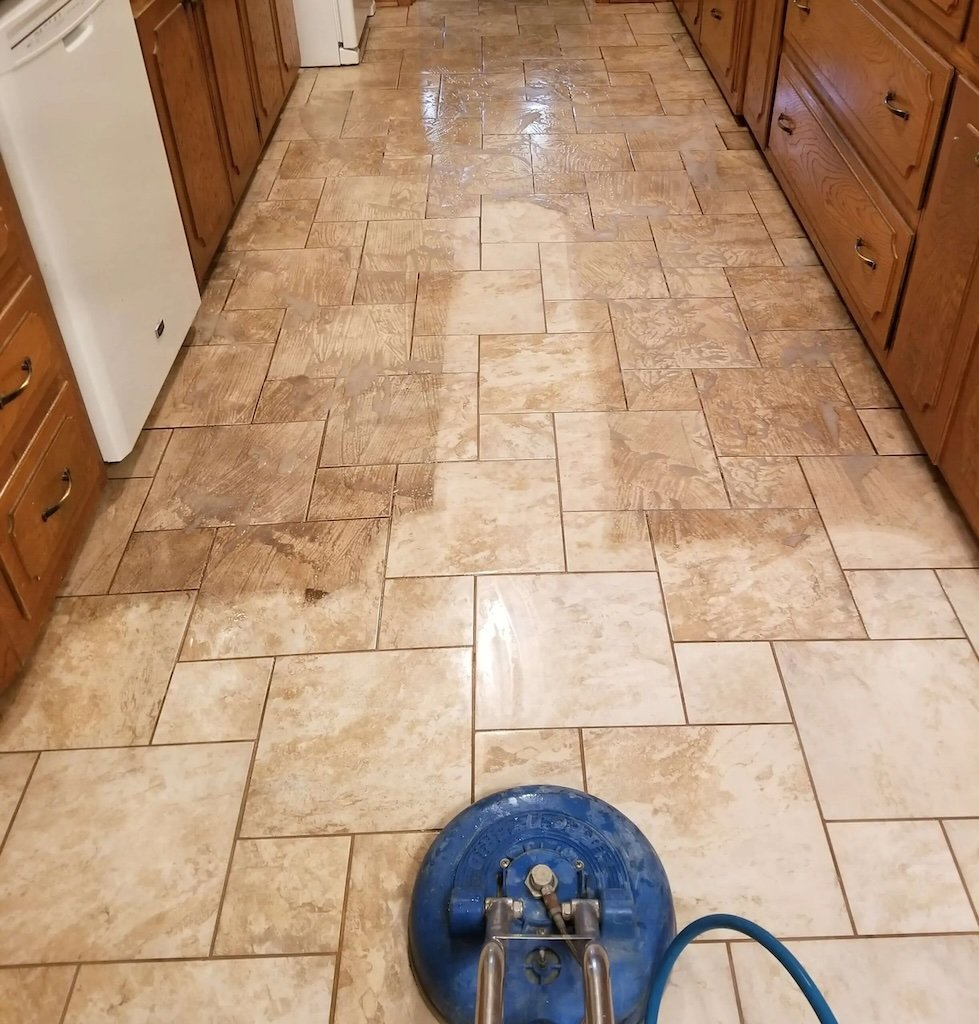
Grout is made from cement, sand and water. Unlike glazed tile, it is porous. That means it has tiny openings that soak up liquids and trap dirt. Grout lines also sit slightly lower than the tile surface, so dirt settles into them.
Common Causes of Grout Discoloration
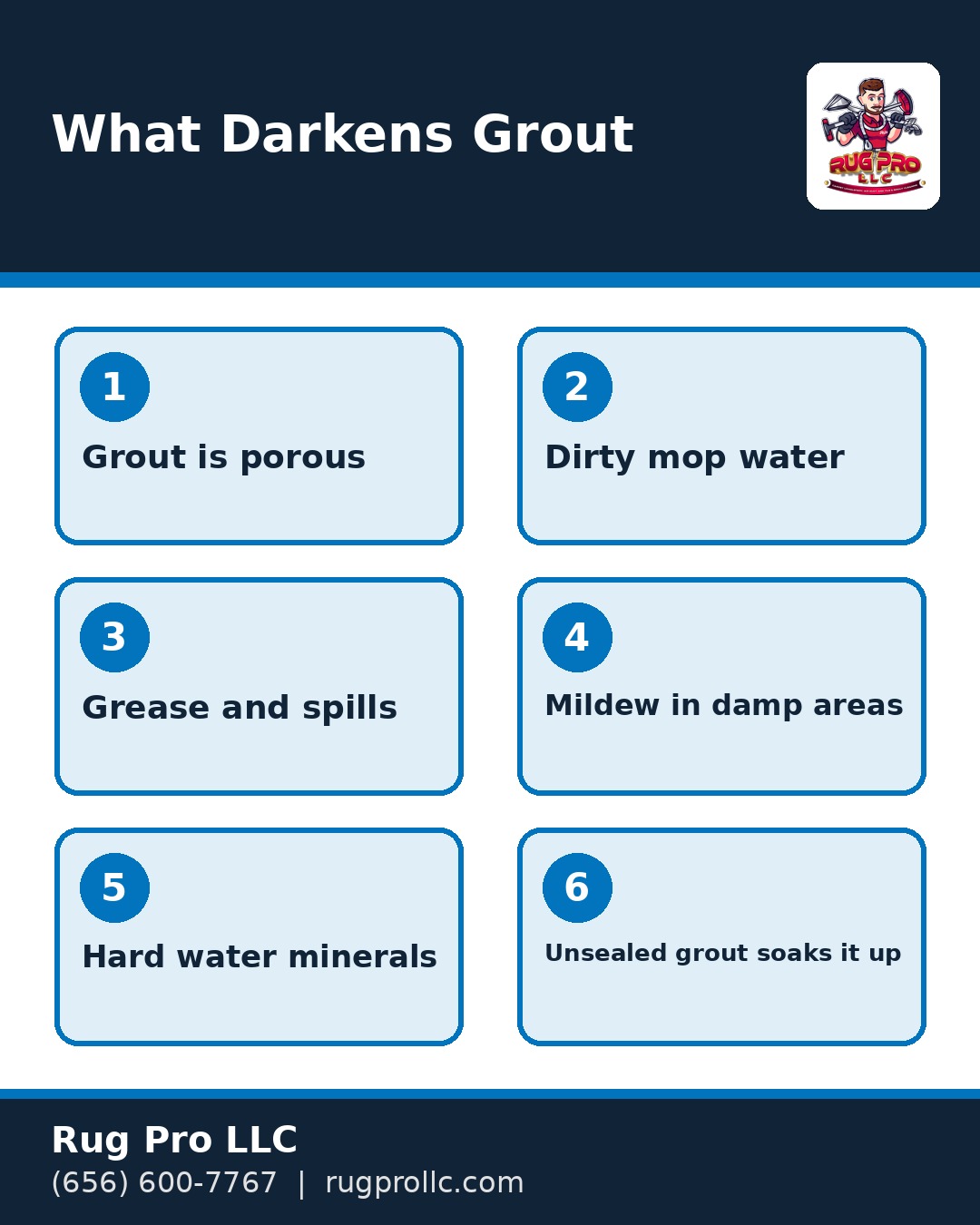
Dirty mop water
Mopping can spread dirt instead of removing it. As the mop water gets dirty, it flows into the grout lines and leaves soil behind. Over time, this builds up and darkens the grout.
Foot traffic
Shoes carry in dirt, sand and oils. In busy areas like kitchens, entryways and hallways, grout darkens faster.
Grease and spills
Kitchen grout absorbs cooking oils, food and drinks. Grease attracts more dirt and can leave grout looking brown or yellow.
Mildew and mold
In bathrooms and other damp areas, mildew can grow in grout, especially in a humid climate like Florida. This often looks black or dark green.
Hard water minerals
Minerals in water can leave white or cloudy deposits on grout, especially in showers.
Using the wrong cleaners
Some harsh cleaners can damage or discolor grout. Acidic products can wear away grout over time. Bleach may change the color of colored grout.
Can Grout Discoloration Be Fixed?
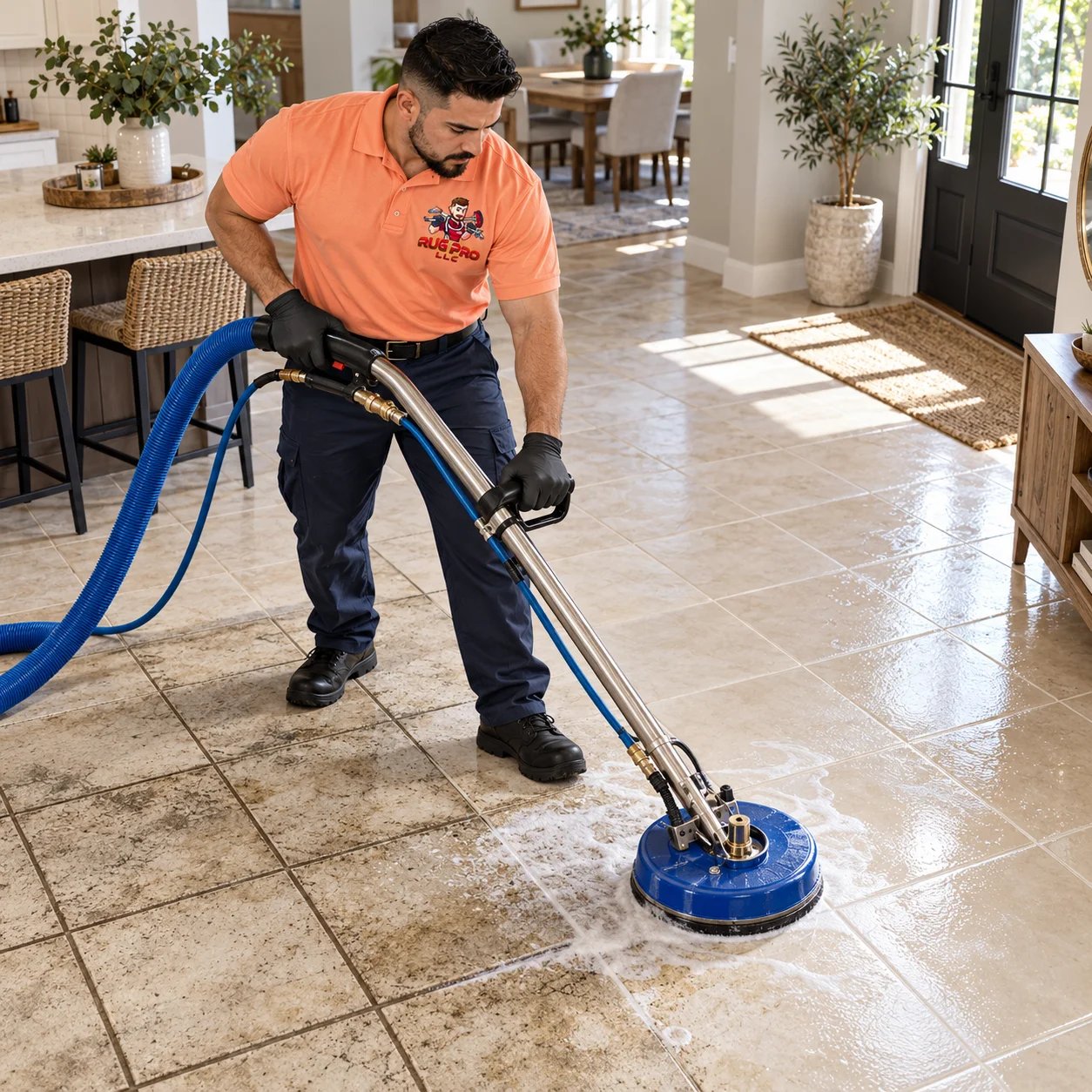
Usually, yes. Most dark grout is just dirt and residue packed into the pores, and a deep clean can often bring it back close to the original color. Some grout is truly stained or damaged, though, and for that we’d talk about color sealing or regrouting.
As a rough guide, gray or brown grout from soil and mop water usually needs a deep clean. Yellow or brown grout near the stove usually means grease, so it needs degreasing first. Black or green spots point to mildew, which takes cleaning plus better moisture control. A white haze in the shower is hard water and needs mineral removal. Cracked or crumbling grout needs regrouting.
How Professionals Restore Grout
Our process starts with a walk through to check the tile type, the grout and the worst areas. Then we pre treat with a cleaner matched to that tile and grout and scrub the grout lines to loosen the packed in soil. After that comes a hot water rinse with extraction, which pulls the dirty water out with strong suction instead of leaving it on the floor. The last step is drying, and most floors are ready to walk on within a couple of hours.
Should You Seal Grout?
Sealing helps protect grout after cleaning. A penetrating sealer fills the pores and makes it harder for liquids and dirt to soak in. Color sealing is another option that coats grout with a uniform color. It can cover stains that cleaning cannot remove.
How to Keep Grout Cleaner Longer
Sweep or vacuum before you mop, and swap out the mop water every room or two. Use a pH neutral cleaner made for tile. Wipe spills quickly, especially near the stove. Run the bath fan or crack a window after showers. And a professional cleaning once a year keeps the buildup from getting ahead of you.
Why Grout Discoloration Comes Back
Even after a deep clean, grout will slowly pick up dirt again because it remains porous unless it is sealed, and daily life brings a steady flow of shoes, spills, pets and mop water across the floor. Sealing, better mopping habits and regular professional cleaning work together to slow that process and keep grout looking even for much longer between visits.
Natural Stone Needs Extra Care
If your home has marble, travertine or other natural stone, use extra caution with cleaners, since acidic products can etch the stone surface and leave dull spots that cleaning cannot fix. A professional can choose stone-safe methods that clean grout without harming the tile around it.
Grout Discoloration in Showers
Showers have their own set of problems. Soap scum, body oils, shampoo and hard water minerals all build up on wall grout, and the constant moisture lets mildew settle into the corners and the bottom row of tile. Running the fan during and after a shower helps, and so does a quick squeegee. Months of buildup usually need a professional deep clean, though.
Kitchen Grout Problems
Kitchen grout takes grease, food spills and heavy traffic every day. That’s why the grout by the stove, sink and dishwasher is usually the darkest in the house. A mop won’t lift the oily film that holds dirt in place. Wiping spills right away and using a tile safe degreaser helps, and we can remove what home cleaning can’t reach.
Cleaning vs. Regrouting
If grout is cracked, crumbling or missing, cleaning won’t fix it. That’s a regrouting job, which means removing the damaged grout and replacing it. When we look at your floors, we’ll tell you honestly whether cleaning, color sealing or regrouting makes the most sense.
Bring Your Grout Back to Life
Grout discoloration is common, but it is often fixable. Learn more about our tile and grout cleaning in Clearwater. Need help with your floors? Call Rug Pro LLC at (656) 600-7767 or request service online.
Frequently Asked Questions
Q: Why is my grout turning black?
A: Dirt, mop water, grease or mildew trapped in the grout pores.
Q: Can white grout be restored?
A: Often yes, with deep cleaning. Stained grout may need color sealing.
Q: Does mopping make grout dirty?
A: It can, if the mop water is dirty. Change water often.
Q: Should I seal grout after cleaning?
A: Sealing helps protect grout from stains and soil.
Q: Is bleach safe on grout?
A: It can change the color of colored grout. Use a tile-safe cleaner.